veterans day for kids
Veterans Day is a very special day in the United States, and teaching children about it helps build respect, gratitude, and understanding from a young age. Veterans Day for kids is not just about learning a date on the calendar—it is about understanding bravery, service, sacrifice, and the importance of peace. When explained in a simple, child-friendly way, Veterans Day becomes a meaningful lesson that kids can remember for life.
This article explains Veterans Day for kids in clear language, using stories, examples, and ideas that parents, teachers, and students can easily understand. By the end of this guide, children will know what Veterans Day is, why it matters, who veterans are, and how kids can show respect and appreciation.
What Is Veterans Day? (Simple Explanation for Kids)
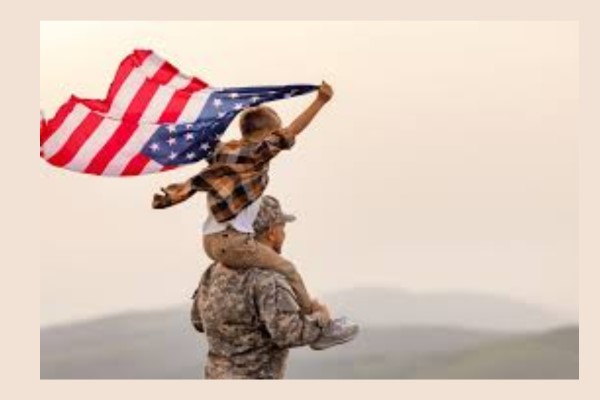
Veterans Day is a holiday celebrated every year on November 11. On this day, people across the country say “thank you” to veterans—men and women who have served in the United States Armed Forces. These veterans worked to protect the country, keep people safe, and support freedom.
For kids, Veterans Day can be explained as a day to honor heroes who wore uniforms and helped the nation, whether they served in the Army, Navy, Air Force, Marines, Coast Guard, or Space Force. Some veterans served during wars, while others helped during peaceful times, but all of them chose to serve their country.
Who Are Veterans?
Veterans are people who have served in the military. They may have worked on land, at sea, in the air, or even in space-related missions. Many veterans are now parents, grandparents, teachers, neighbors, and community members.
Veterans Are Not the Same as Soldiers on Duty
A very important thing for kids to understand is that veterans are not always active soldiers. Some veterans served many years ago and are now retired. Others served for a short time and then returned to regular jobs. No matter how long they served, they are still called veterans because they answered the call to serve their country.
Why Is Veterans Day Important for Kids to Learn About?
Learning about Veterans Day for kids helps children understand values like courage, respect, kindness, and responsibility. When kids learn about veterans, they also learn about history and the importance of peace.
Veterans Day teaches children that freedom and safety are not free. People worked hard—and sometimes made big sacrifices—to protect the nation. This understanding helps kids grow into thoughtful and caring adults who appreciate the efforts of others.
The History of Veterans Day (Kid-Friendly Version)
Veterans Day started as Armistice Day. It marked the end of World War I, which officially ended on November 11, 1918. The word “armistice” means an agreement to stop fighting.
How Armistice Day Became Veterans Day
In the beginning, Armistice Day honored soldiers who fought in World War I. Later, after World War II and the Korean War, leaders decided that the day should honor all veterans, not just those from one war. In 1954, the name officially changed to Veterans Day.
For kids, this means that Veterans Day is a time to remember all military heroes, from the past to the present.
Veterans Day vs. Memorial Day (Easy Comparison for Kids)
Many kids get confused between Veterans Day and Memorial Day, so it is important to explain the difference clearly.
Veterans Day
- Honors all veterans, living or deceased
- Celebrated on November 11
- A day to say thank you to those who served
Memorial Day
- Honors soldiers who died while serving
- Celebrated in May
- A day of remembrance
Understanding this difference helps kids show respect in the right way on each holiday.
How Do People Celebrate Veterans Day?
On Veterans Day, people celebrate in many respectful ways. Communities may hold parades, schools may host assemblies, and families may talk about veterans they know.
Veterans Day at School
Schools often play an important role in teaching Veterans Day for kids. Teachers may:
- Invite a veteran to speak to students
- Show educational videos
- Ask students to write thank-you letters
- Hold flag ceremonies
These activities help kids connect emotionally and personally with the meaning of the day.
Why Do Veterans Wear Uniforms?
Uniforms help show which branch of the military a veteran served in. For kids, uniforms are a symbol of teamwork, discipline, and service.
Each uniform represents training, responsibility, and commitment. When children see veterans wearing medals or badges, they are seeing symbols of dedication and hard work.
How Kids Can Show Respect on Veterans Day
Children do not need to do big things to honor veterans. Simple actions can make a huge difference.
Easy Ways Kids Can Honor Veterans
- Say “Thank you for your service”
- Write a card or letter
- Draw pictures showing appreciation
- Learn and sing patriotic songs
- Listen to veterans’ stories respectfully
These small acts teach kids kindness and gratitude.
Veterans Day Activities for Kids
Fun and educational activities make learning about Veterans Day more meaningful for children.
Classroom Activities
Teachers can organize storytelling sessions, coloring worksheets, and history lessons that explain veterans’ roles in simple language.
Home Activities
Parents can read books about veterans, watch kid-friendly documentaries, or talk about family members who served.
Art and Craft Ideas
Kids can make:
- Thank-you posters
- Flags
- Handmade medals
- Cards for veterans
These activities help children express appreciation creatively.
Veterans Day Books for Kids
Reading books is one of the best ways to teach children about Veterans Day. Kid-friendly books use simple words and pictures to explain big ideas like bravery and service.
Books help children understand that veterans are real people with families, feelings, and stories—not just characters from history.
Veterans Day Songs and Poems for Kids
Songs and poems are another great way to teach Veterans Day for kids. Patriotic songs help children remember the importance of the day while having fun.
Poems can express gratitude and respect in a gentle and emotional way, making the message easier for kids to understand.
Why It Is Important to Thank Veterans
Saying thank you helps veterans feel appreciated and respected. For kids, learning to say thank you teaches empathy and gratitude.
Veterans often spent time away from their families, worked in difficult conditions, and followed strict rules to protect others. A simple thank you reminds them that their efforts are remembered.
Talking to Kids About War and Peace
When discussing Veterans Day, it is important to focus on peace, not fear. Kids should learn that veterans work to protect peace and help keep people safe.
Parents and teachers should explain that while wars are serious, Veterans Day is about honoring service and hoping for a peaceful future.
Veterans in Everyday Life
Kids may already know veterans without realizing it. A neighbor, teacher, family member, or coach may be a veteran.
Teaching kids to recognize and respect veterans in everyday life helps them understand that heroes live all around us.
Why Veterans Day Is Still Important Today
Even today, people continue to serve in the military. Veterans Day reminds everyone that service and sacrifice are ongoing, not just part of history.
For kids, this lesson helps them appreciate current events and understand the importance of community, responsibility, and teamwork.
Teaching Gratitude Through Veterans Day
Veterans Day is an excellent opportunity to teach kids about gratitude. Being thankful for freedom, safety, and peace helps children develop positive values.
Gratitude learned at a young age often stays with children as they grow into adults.
Conclusion: Veterans Day for Kids Is a Lesson for Life
Veterans Day for kids is more than a holiday—it is a powerful lesson about respect, courage, and gratitude. By teaching children who veterans are and why they matter, we help shape a kinder and more respectful future.
When kids learn about Veterans Day in a thoughtful and age-appropriate way, they gain a deeper understanding of history, service, and peace. Whether through school lessons, family discussions, or creative activities, honoring veterans helps children grow into compassionate and responsible citizens.
About the Author