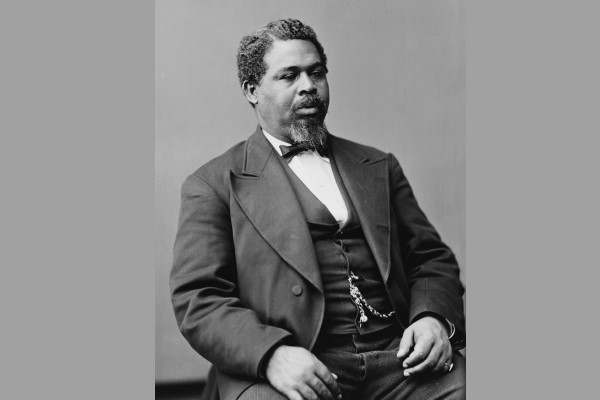
famous slaves
Slavery is one of the darkest chapters in human history, yet within this brutal system emerged individuals whose courage, intelligence, creativity, and resilience reshaped societies and inspired generations. The stories of famous slaves are not only accounts of suffering but also powerful narratives of resistance, leadership, innovation, and human dignity. These individuals rose above unimaginable oppression to leave a lasting mark on history, culture, politics, and civil rights.
This article explores the lives of some of the most famous slaves in history, examining their struggles, achievements, and legacies. Their stories remind us why the fight against injustice and inequality continues to matter today.
Understanding Slavery and Its Global Impact
What Was Slavery?
Slavery was a system in which people were treated as property, forced to work without pay, and deprived of basic human rights. Slaves could be bought, sold, punished, and even killed by their owners with little or no legal consequence.
The Global Reach of Slavery
Although slavery existed in many ancient civilizations, it became especially widespread during the transatlantic slave trade, which forcibly transported millions of Africans to the Americas between the 16th and 19th centuries. Slavery also existed in ancient Rome, Greece, the Middle East, and parts of Asia and Africa.
Despite cultural and regional differences, slavery everywhere shared one common feature: the systematic dehumanization of people.
Famous Slaves Who Fought for Freedom
Spartacus – The Rebel Gladiator
Early Life and Enslavement
Spartacus was a Thracian warrior who became enslaved by the Roman Republic and forced to fight as a gladiator. Though Rome considered him property, Spartacus refused to accept a life in chains.
The Slave Rebellion
In 73 BCE, Spartacus led one of the largest slave revolts in history, known as the Third Servile War. Thousands of slaves joined him, defeating Roman legions repeatedly.
Legacy
Although the rebellion was ultimately crushed, Spartacus became a lasting symbol of resistance against oppression. Today, he represents the universal desire for freedom and justice.
Nat Turner – Leader of a Slave Revolt
Life in Slavery
Born into slavery in Virginia in 1800, Nat Turner was deeply religious and literate—rare traits among enslaved people due to strict restrictions on education.
The Nat Turner Rebellion
In 1831, Turner led a rebellion against slave owners, believing he was chosen by God to end slavery. The uprising resulted in dozens of deaths and shocked the American South.
Historical Significance
Though controversial, Nat Turner’s rebellion intensified national debates about slavery and exposed the system’s inherent violence and instability.
Famous Slaves Who Became Abolitionists
Frederick Douglass – The Voice of Freedom
From Slavery to Literacy
Frederick Douglass was born into slavery in Maryland around 1818. Despite laws banning education for slaves, he secretly learned to read and write.
Escape and Activism
After escaping slavery, Douglass became one of the most influential abolitionists of the 19th century. His speeches and writings exposed the brutal realities of slavery.
Major Contributions
- Autobiographies detailing slave life
- Advisor to President Abraham Lincoln
- Advocate for women’s rights and equality
Frederick Douglass proved that intellect and leadership could flourish even under extreme oppression.
Olaudah Equiano – A Global Abolitionist Voice
Early Life in Africa
Olaudah Equiano was kidnapped from his village in present-day Nigeria and sold into slavery as a child.
Life at Sea and Freedom
He worked aboard ships, eventually earning enough money to purchase his freedom—an extraordinary achievement for a former slave.
Literary Impact
His autobiography, The Interesting Narrative of the Life of Olaudah Equiano, played a major role in the British abolitionist movement by exposing the horrors of the slave trade.
Famous Female Slaves Who Changed History
Harriet Tubman – The Moses of Her People
Enslavement and Escape
Born into slavery in Maryland, Harriet Tubman escaped to freedom but refused to leave others behind.
The Underground Railroad
Tubman made more than a dozen dangerous missions back into slave territory, guiding hundreds of enslaved people to freedom through the Underground Railroad.
Beyond Slavery
She later served as a spy and nurse during the American Civil War and fought for women’s suffrage.
Harriet Tubman remains one of the most heroic figures among famous slaves in history.
Sojourner Truth – A Voice for Justice
Life in Bondage
Sojourner Truth was born into slavery in New York and endured physical abuse and family separation.
Freedom and Advocacy
After escaping slavery, she became a powerful speaker for abolition and women’s rights.
“Ain’t I a Woman?”
Her famous speech challenged both racism and sexism, making her a central figure in multiple social justice movements.
Famous Slaves Known for Intellectual and Cultural Contributions
Phillis Wheatley – The Enslaved Poet
A Literary Prodigy
Phillis Wheatley was kidnapped from Africa and enslaved in Boston. She was educated by her owners and showed extraordinary literary talent.
Poetry and Recognition
She became the first African American woman to publish a book of poetry, earning praise from leading intellectuals of her time.
Historical Importance
Her work challenged racist beliefs by demonstrating the intellectual capabilities of enslaved Africans.
Benjamin Banneker – The Scientific Mind
Born Free, Surrounded by Slavery
Although born free, Banneker lived in a society dominated by slavery and racial discrimination.
Achievements
He was a self-taught mathematician, astronomer, and inventor who helped survey Washington, D.C.
Advocacy
Banneker openly challenged Thomas Jefferson’s views on race, arguing for equality and the abolition of slavery.
Famous Slaves in Ancient Civilizations
Epictetus – The Philosopher Slave
From Slavery to Philosophy
Epictetus was born into slavery in the Roman Empire and endured physical abuse.
Stoic Teachings
After gaining freedom, he became one of the most influential Stoic philosophers, teaching ideas about self-control, freedom of thought, and inner strength.
Enduring Influence
His teachings continue to inspire modern philosophy, psychology, and leadership studies.
Aesop – The Storyteller
Life as a Slave
Aesop, believed to have lived in ancient Greece, was a slave known for his wit and intelligence.
Aesop’s Fables
His moral stories have been passed down for centuries, shaping moral education worldwide.
Cultural Legacy
Aesop’s tales demonstrate how wisdom and creativity can flourish even in bondage.
The Role of Famous Slaves in Ending Slavery
How Their Stories Influenced Change
The lives of famous slaves exposed the moral contradictions of slavery and inspired abolitionist movements across continents. Their speeches, books, revolts, and personal sacrifices forced societies to confront injustice.
Inspiration for Modern Human Rights
Today, these individuals influence:
- Civil rights movements
- Anti-racism education
- Human rights activism
- Literature and popular culture
Their stories continue to educate and motivate new generations to stand against oppression.
Why Learning About Famous Slaves Matters Today
Understanding Historical Injustice
Learning about famous slaves helps us understand how deeply slavery shaped modern societies, economies, and racial inequalities.
Honoring Strength and Resilience
These individuals were not merely victims; they were leaders, thinkers, artists, and revolutionaries who refused to be defined by chains.
Lessons for the Future
Their lives teach us:
- Courage can change history
- Education is a tool of liberation
- Resistance begins with belief in human dignity
Conclusion: Remembering Famous Slaves and Their Legacy
The stories of famous slaves are essential to understanding human history. From rebels like Spartacus to abolitionists like Frederick Douglass, from fearless rescuers like Harriet Tubman to intellectual pioneers like Phillis Wheatley, these individuals transformed suffering into strength.
They remind us that even in the harshest conditions, the human spirit can rise, resist, and reshape the world. Remembering their lives is not just about honoring the past—it is about shaping a more just and compassionate future.
About the Author